
IOO YEARS AGO THIS WEEK 12 - 18 OCTOBER 1926
This week's many stories include the youth prosecuted for saying the police were the paid scabs of capitalists, the mysterious death of a Marconi wireless operator at Thatto Heath, the miners' drift back to work at the pits, the special constables at Clock Face Colliery who nabbed a violent coal picker and the problem of building badly needed homes on land subject to mining subsidence.
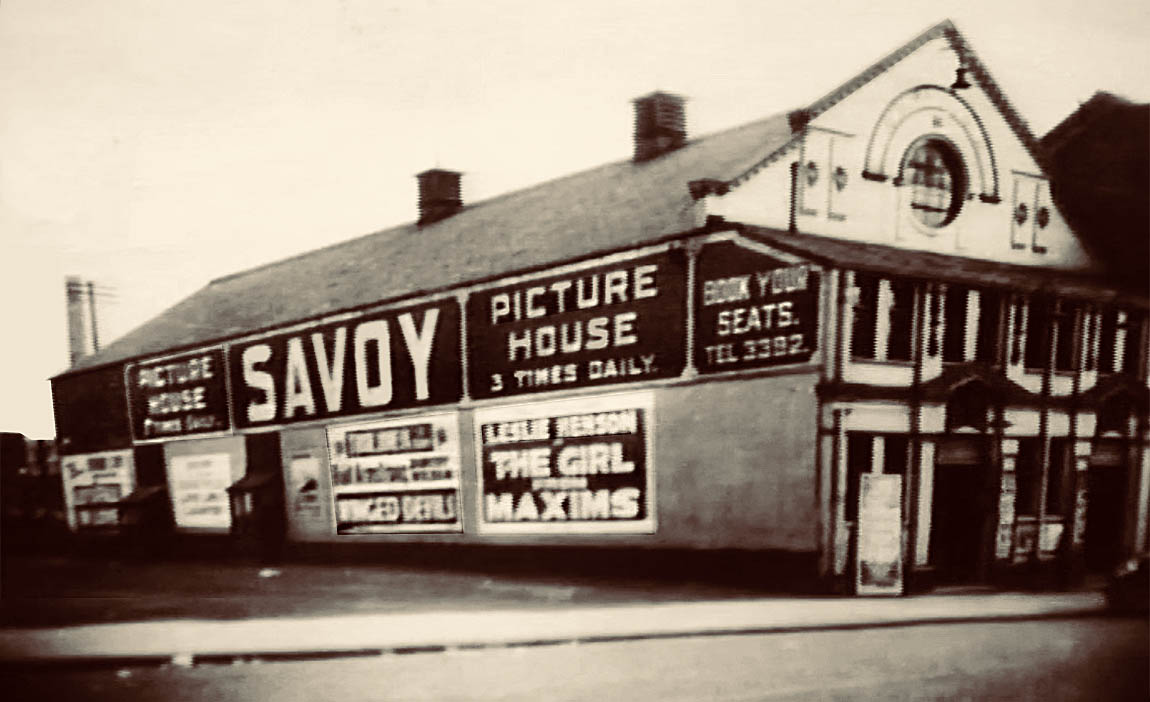 We begin at the Savoy Cinema in Bridge Street when on the 12th and 13th they screened a film of Jack Dempsey's world heavyweight fight against Gene Tunney. "The greatest fight of years!", said the Reporter advert. Following his defeat in front of 120,000 boxing fans in Philadelphia, Dempsey is said to have returned to his dressing room with his face badly swollen and left eye nearly shut and said to his wife: "Honey, I forgot to duck"!
On the 12th Henry Taylor of Leicester Street in Thatto Heath and John Talbot of Sandon Street appeared in St Helens Police Court accused of poaching on Lord Derby’s estate. Taylor and Talbot had been seen by three gamekeepers at the side of a wood at 3am running out nets that contained three live rabbits.
There was another man with them but he escaped when the gamekeepers gave chase. Taylor, who had been previously convicted of a similar offence, was fined £5 and Talbot £1 and the magistrates ordered that their nets be confiscated.
It was revealed in another case that at the start of the miners' strike, some of the officials at Clock Face Colliery had been sworn in as special constables. Their duties included managing the mine's large waste heap that contained bits of coal. When the dispute began, people had been banned from going onto it. Then there was a change of heart and permission was granted for part of the day.
But that had now been rescinded because of the poor behaviour of thousands of coal seekers who had subsequently swarmed over the heap in an uncontrolled manner and damaged the railway line. The case in question concerned John Eden of Bold Road in Sutton. Edward Jones of Morley Street told the court that on September 13th he had been on duty as storekeeper when a great crowd of people came towards the waste tip with the object of picking coal.
Mr Jones said he sent for assistance and PC Johnson and eight special constables subsequently arrived and took names and addresses of all the trespassers so that they might be prosecuted. But in attempting to get John Eden's name, Constable Jones was struck two or three times on the jaw. For the assault, Eden was fined £2 and 7s 6d costs.
On the 13th a near-tragedy occurred at a tip belonging to the former Gillars Green Colliery in Eccleston. Wilfred Travis from Thatto Heath had been one of 50 men who had been busy searching for coal. He was at work in a pit about 12 feet deep, when suddenly its sides collapsed and Travis was completely covered by the earth.
It took an hour for him to be brought out as one of his legs was trapped and he was reported to have been in a collapsed condition when raised to the surface. The Gillars Green mine had closed in 1883 and had been situated adjacent to Burrows Lane and Gillars Lane.
The end of the long miners' strike seemed to be in sight as more men were reported to be returning to work. By the middle of the week more than 80 men were said to be down the Haydock pits belonging to Richard Evans and Co, accepting inducements of an eight-hour day and a daily bonus of five shillings. And at Sutton Manor Colliery the number of men working there was slowly increasing.
It was expected that by the end of the week, a great many more men would return to their jobs driven by poverty and the soon to be implemented 20% reduction in relief payments. The St Helens Reporter summed up the drift back to work with the headline "The Flowing Tide Begins".
At a meeting of the St Helens Health Committee on the 13th, it was revealed that the weekly amount of dried milk given to mothers had more than doubled since March owing to the "abnormal industrial conditions", as it was reported. The committee was distributing 950lbs a week of dried milk and planned to ask the Ministry of Health for further help.
The meeting also discussed the housing problem with many prospective sites in Sutton and Parr, where they wanted to build council houses, having been rejected by the Ministry. The government provided subsidies and did not want houses being built where there would likely be mining subsidence.
However, the Ministry had approved some land on Clock Face Road for building homes but insisted that the houses there must be built on rafts. The Health Committee also decided to go ahead and erect 40 houses on a site in Borough Road and on land to the south of Blackbrook Road and in Fleet Lane.
On the 14th the inquest was held into the mysterious death of Thomas Crawford, who was described as a Marconi wireless operator on a ship. The 32-year-old somehow fell out of a train that was travelling from Blackpool to Liverpool and a fellow passenger in another carriage had spotted his body lying on the line.
He raised the alarm at Thatto Heath Station and the badly injured Thomas Crawford died soon after help arrived. There was no apparent reason why he would commit suicide, with a friend giving evidence at the inquest that they had recently enjoyed a "jolly evening" together and nobody had witnessed Thomas' fall. And so the coroner brought in an open verdict.
The local elections in St Helens took place each year at the beginning of November and the candidates' names for 1926 had now been submitted. This week it was reported that a new party had been formed representing the British Legion, although if elected, their ex-servicemen members would take an independent line on political matters.
Thomas Burns of Phythian Street appeared in court this week to face the unusual charge of unnecessarily exposing himself to danger. The young man was quite frank about what his intentions had been. He said that along with a few others, he had been walking on the line at the Eccleston Branch Railway near Phythian Street intending to steal a sack of coal.
But when PC Dillon suddenly appeared, he ran off in the opposite direction to his mates. And he said that although he was a faster runner than the policeman, he had got caught because he'd decided to sit down on the rails and "wait for the bobby". But doing so was why Thomas was arrested and charged with exposing himself to danger and he was fined 5 shillings. The Chairman of the Bench remarked that he should consider himself lucky he was prevented from stealing coal, as that offence would have been more seriously dealt with.
Street fights always attracted large crowds, who seemed to materialise out of thin air. Two men called James Kenny and James Riley, who both lodged at the same address in Eccleston Street, appeared in court charged with a breach of the peace on the previous Saturday night.
Of course, the large crowd that had suddenly manifested to watch the battle were not concerned that any peace had been breached – they would have been enjoying themselves watching the punch up! James Kenny claimed that he had never left his kitchen but both men were convicted and bound over for six months.
The controversial Emergency Powers Act gave the authorities the ability to take action against the spreading of disinformation and incitement. Last month a man had been sent to prison for 28 days for making a speech "likely to cause disaffection amongst the civil population". The individual had told a crowd that he had seen police in St Helens use batons to bludgeon helpless men, women and children and he called for a defence force against the police to be established.
On the 18th a youth called John McMahon appeared in St Helens Police Court charged with making a speech at Sutton Manor that had been "calculated to cause disaffection." The 18-year-old was a member of the Young Communists League and on September 29th at a meeting in Forest Road in Sutton Manor, McMahon had been one of the speakers and told a crowd of 200:
"The police are the paid scabs of the capitalist class, enforcing their views on the workers with the truncheon and the strong arm." McMahon also referred to Lord Derby and the Duke of Northumberland as parasites that should be tied to the mouth of a cannon and blown to pieces. The Emergency Powers Act severely limited freedom of speech but the youth was only fined £5 for his comments and not imprisoned.
St Helens Reporter courtesy St Helens Archive Service at Eccleston Library
Next Week's stories will include the 50 Liverpool policemen stationed in St Helens, the 36 St Helens miners arrested for stealing outcrop coal, the tram driver charged with negligent driving and the man arrested for booing in Phythian Street.
On the 12th Henry Taylor of Leicester Street in Thatto Heath and John Talbot of Sandon Street appeared in St Helens Police Court accused of poaching on Lord Derby’s estate. Taylor and Talbot had been seen by three gamekeepers at the side of a wood at 3am running out nets that contained three live rabbits.
There was another man with them but he escaped when the gamekeepers gave chase. Taylor, who had been previously convicted of a similar offence, was fined £5 and Talbot £1 and the magistrates ordered that their nets be confiscated.
It was revealed in another case that at the start of the miners' strike, some of the officials at Clock Face Colliery had been sworn in as special constables. Their duties included managing the mine's large waste heap that contained bits of coal. When the dispute began, people had been banned from going onto it. Then there was a change of heart and permission was granted for part of the day.
But that had now been rescinded because of the poor behaviour of thousands of coal seekers who had subsequently swarmed over the heap in an uncontrolled manner and damaged the railway line. The case in question concerned John Eden of Bold Road in Sutton. Edward Jones of Morley Street told the court that on September 13th he had been on duty as storekeeper when a great crowd of people came towards the waste tip with the object of picking coal.
Mr Jones said he sent for assistance and PC Johnson and eight special constables subsequently arrived and took names and addresses of all the trespassers so that they might be prosecuted. But in attempting to get John Eden's name, Constable Jones was struck two or three times on the jaw. For the assault, Eden was fined £2 and 7s 6d costs.
On the 13th a near-tragedy occurred at a tip belonging to the former Gillars Green Colliery in Eccleston. Wilfred Travis from Thatto Heath had been one of 50 men who had been busy searching for coal. He was at work in a pit about 12 feet deep, when suddenly its sides collapsed and Travis was completely covered by the earth.
It took an hour for him to be brought out as one of his legs was trapped and he was reported to have been in a collapsed condition when raised to the surface. The Gillars Green mine had closed in 1883 and had been situated adjacent to Burrows Lane and Gillars Lane.
The end of the long miners' strike seemed to be in sight as more men were reported to be returning to work. By the middle of the week more than 80 men were said to be down the Haydock pits belonging to Richard Evans and Co, accepting inducements of an eight-hour day and a daily bonus of five shillings. And at Sutton Manor Colliery the number of men working there was slowly increasing.
It was expected that by the end of the week, a great many more men would return to their jobs driven by poverty and the soon to be implemented 20% reduction in relief payments. The St Helens Reporter summed up the drift back to work with the headline "The Flowing Tide Begins".
At a meeting of the St Helens Health Committee on the 13th, it was revealed that the weekly amount of dried milk given to mothers had more than doubled since March owing to the "abnormal industrial conditions", as it was reported. The committee was distributing 950lbs a week of dried milk and planned to ask the Ministry of Health for further help.
The meeting also discussed the housing problem with many prospective sites in Sutton and Parr, where they wanted to build council houses, having been rejected by the Ministry. The government provided subsidies and did not want houses being built where there would likely be mining subsidence.
However, the Ministry had approved some land on Clock Face Road for building homes but insisted that the houses there must be built on rafts. The Health Committee also decided to go ahead and erect 40 houses on a site in Borough Road and on land to the south of Blackbrook Road and in Fleet Lane.
On the 14th the inquest was held into the mysterious death of Thomas Crawford, who was described as a Marconi wireless operator on a ship. The 32-year-old somehow fell out of a train that was travelling from Blackpool to Liverpool and a fellow passenger in another carriage had spotted his body lying on the line.
He raised the alarm at Thatto Heath Station and the badly injured Thomas Crawford died soon after help arrived. There was no apparent reason why he would commit suicide, with a friend giving evidence at the inquest that they had recently enjoyed a "jolly evening" together and nobody had witnessed Thomas' fall. And so the coroner brought in an open verdict.
The local elections in St Helens took place each year at the beginning of November and the candidates' names for 1926 had now been submitted. This week it was reported that a new party had been formed representing the British Legion, although if elected, their ex-servicemen members would take an independent line on political matters.
Thomas Burns of Phythian Street appeared in court this week to face the unusual charge of unnecessarily exposing himself to danger. The young man was quite frank about what his intentions had been. He said that along with a few others, he had been walking on the line at the Eccleston Branch Railway near Phythian Street intending to steal a sack of coal.
But when PC Dillon suddenly appeared, he ran off in the opposite direction to his mates. And he said that although he was a faster runner than the policeman, he had got caught because he'd decided to sit down on the rails and "wait for the bobby". But doing so was why Thomas was arrested and charged with exposing himself to danger and he was fined 5 shillings. The Chairman of the Bench remarked that he should consider himself lucky he was prevented from stealing coal, as that offence would have been more seriously dealt with.
Street fights always attracted large crowds, who seemed to materialise out of thin air. Two men called James Kenny and James Riley, who both lodged at the same address in Eccleston Street, appeared in court charged with a breach of the peace on the previous Saturday night.
Of course, the large crowd that had suddenly manifested to watch the battle were not concerned that any peace had been breached – they would have been enjoying themselves watching the punch up! James Kenny claimed that he had never left his kitchen but both men were convicted and bound over for six months.
The controversial Emergency Powers Act gave the authorities the ability to take action against the spreading of disinformation and incitement. Last month a man had been sent to prison for 28 days for making a speech "likely to cause disaffection amongst the civil population". The individual had told a crowd that he had seen police in St Helens use batons to bludgeon helpless men, women and children and he called for a defence force against the police to be established.
On the 18th a youth called John McMahon appeared in St Helens Police Court charged with making a speech at Sutton Manor that had been "calculated to cause disaffection." The 18-year-old was a member of the Young Communists League and on September 29th at a meeting in Forest Road in Sutton Manor, McMahon had been one of the speakers and told a crowd of 200:
"The police are the paid scabs of the capitalist class, enforcing their views on the workers with the truncheon and the strong arm." McMahon also referred to Lord Derby and the Duke of Northumberland as parasites that should be tied to the mouth of a cannon and blown to pieces. The Emergency Powers Act severely limited freedom of speech but the youth was only fined £5 for his comments and not imprisoned.
St Helens Reporter courtesy St Helens Archive Service at Eccleston Library
Next Week's stories will include the 50 Liverpool policemen stationed in St Helens, the 36 St Helens miners arrested for stealing outcrop coal, the tram driver charged with negligent driving and the man arrested for booing in Phythian Street.
This week's many stories include the youth prosecuted for saying the police were the paid scabs of capitalists, the mysterious death of a Marconi wireless operator at Thatto Heath, the miners' drift back to work at the pits, the special constables at Clock Face Colliery who nabbed a violent coal picker and the problem of building badly needed homes on land subject to mining subsidence.
We begin at the Savoy Cinema in Bridge Street when on the 12th and 13th they screened a film of Jack Dempsey's world heavyweight fight against Gene Tunney. "The greatest fight of years!", said the Reporter advert.
Following his defeat in front of 120,000 boxing fans in Philadelphia, Dempsey is said to have returned to his dressing room with his face badly swollen and left eye nearly shut and said to his wife: "Honey, I forgot to duck"!
On the 12th Henry Taylor of Leicester Street in Thatto Heath and John Talbot of Sandon Street appeared in St Helens Police Court accused of poaching on Lord Derby’s estate.
Taylor and Talbot had been seen by three gamekeepers at the side of a wood at 3am running out nets that contained three live rabbits.
There was another man with them but he escaped when the gamekeepers gave chase.
Taylor, who had been previously convicted of a similar offence, was fined £5 and Talbot £1 and the magistrates ordered that their nets be confiscated.
It was revealed in another case that at the start of the miners' strike, some of the officials at Clock Face Colliery had been sworn in as special constables.
Their duties included managing the mine's large waste heap that contained bits of coal.
When the dispute began, people had been banned from going onto it.
Then there was a change of heart and permission was granted for part of the day.
But that had now been rescinded because of the poor behaviour of thousands of coal seekers who had subsequently swarmed over the heap in an uncontrolled manner and damaged the railway line.
The case in question concerned John Eden of Bold Road in Sutton.
Edward Jones of Morley Street told the court that on September 13th he had been on duty as storekeeper when a great crowd of people came towards the waste tip with the object of picking coal.
Mr Jones said he sent for assistance and PC Johnson and eight special constables subsequently arrived and took names and addresses of all the trespassers so that they might be prosecuted.
But in attempting to get John Eden's name, Constable Jones was struck two or three times on the jaw. For the assault, Eden was fined £2 and 7s 6d costs.
On the 13th a near-tragedy occurred at a tip belonging to the former Gillars Green Colliery in Eccleston.
Wilfred Travis from Thatto Heath had been one of 50 men who had been busy searching for coal.
He was at work in a pit about 12 feet deep, when suddenly its sides collapsed and Travis was completely covered by the earth.
It took an hour for him to be brought out as one of his legs was trapped and he was reported to have been in a collapsed condition when raised to the surface.
The Gillars Green mine had closed in 1883 and had been situated adjacent to Burrows Lane and Gillars Lane.
The end of the long miners' strike seemed to be in sight as more men were reported to be returning to work.
By the middle of the week more than 80 men were said to be down the Haydock pits belonging to Richard Evans and Co, accepting inducements of an eight-hour day and a daily bonus of five shillings.
And at Sutton Manor Colliery the number of men working there was slowly increasing.
It was expected that by the end of the week, a great many more men would return to their jobs driven by poverty and the soon to be implemented 20% reduction in relief payments.
The St Helens Reporter summed up the drift back to work with the headline "The Flowing Tide Begins".
At a meeting of the St Helens Health Committee on the 13th, it was revealed that the weekly amount of dried milk given to mothers had more than doubled since March owing to the "abnormal industrial conditions", as it was reported.
The committee was distributing 950lbs a week of dried milk and planned to ask the Ministry of Health for further help.
The meeting also discussed the housing problem with many prospective sites in Sutton and Parr, where they wanted to build council houses, having been rejected by the Ministry.
The government provided subsidies and did not want houses being built where there would likely be mining subsidence.
However, the Ministry had approved some land on Clock Face Road for building homes but insisted that the houses there must be built on rafts.
The Health Committee also decided to go ahead and erect 40 houses on a site in Borough Road and on land to the south of Blackbrook Road and in Fleet Lane.
On the 14th the inquest was held into the mysterious death of Thomas Crawford, who was described as a Marconi wireless operator on a ship.
The 32-year-old somehow fell out of a train that was travelling from Blackpool to Liverpool and a fellow passenger in another carriage had spotted his body lying on the line.
He raised the alarm at Thatto Heath Station and the badly injured Thomas Crawford died soon after help arrived.
There was no apparent reason why he would commit suicide, with a friend giving evidence at the inquest that they had recently enjoyed a "jolly evening" together and nobody had witnessed Thomas' fall. And so the coroner brought in an open verdict.
The local elections in St Helens took place each year at the beginning of November and the candidates' names for 1926 had now been submitted.
This week it was reported that a new party had been formed representing the British Legion, although if elected, their ex-servicemen members would take an independent line on political matters.
Thomas Burns of Phythian Street appeared in court this week to face the unusual charge of unnecessarily exposing himself to danger.
The young man was quite frank about what his intentions had been.
He said that along with a few others, he had been walking on the line at the Eccleston Branch Railway near Phythian Street intending to steal a sack of coal.
But when PC Dillon suddenly appeared, he ran off in the opposite direction to his mates.
And he said that although he was a faster runner than the policeman, he had got caught because he'd decided to sit down on the rails and "wait for the bobby".
But doing so was why Thomas was arrested and charged with exposing himself to danger and he was fined 5 shillings.
The Chairman of the Bench remarked that he should consider himself lucky he was prevented from stealing coal, as that offence would have been more seriously dealt with.
Street fights always attracted large crowds, who seemed to materialise out of thin air.
Two men called James Kenny and James Riley, who both lodged at the same address in Eccleston Street, appeared in court charged with a breach of the peace on the previous Saturday night.
Of course, the large crowd that had suddenly manifested to watch the battle were not concerned that any peace had been breached – they would have been enjoying themselves watching the punch up!
James Kenny claimed that he had never left his kitchen but both men were convicted and bound over for six months.
The controversial Emergency Powers Act gave the authorities the ability to take action against the spreading of disinformation and incitement.
Last month a man had been sent to prison for 28 days for making a speech "likely to cause disaffection amongst the civil population".
The individual had told a crowd that he had seen police in St Helens use batons to bludgeon helpless men, women and children and he called for a defence force against the police to be established.
On the 18th a youth called John McMahon appeared in St Helens Police Court charged with making a speech at Sutton Manor that had been "calculated to cause disaffection."
The 18-year-old was a member of the Young Communists League and on September 29th at a meeting in Forest Road in Sutton Manor, McMahon had been one of the speakers and told a crowd of 200:
"The police are the paid scabs of the capitalist class, enforcing their views on the workers with the truncheon and the strong arm."
McMahon also referred to Lord Derby and the Duke of Northumberland as parasites that should be tied to the mouth of a cannon and blown to pieces.
The Emergency Powers Act severely limited freedom of speech but the youth was only fined £5 for his comments and not imprisoned.
St Helens Reporter courtesy St Helens Archive Service at Eccleston Library
Next Week's stories will include the 50 Liverpool policemen stationed in St Helens, the 36 St Helens miners arrested for stealing outcrop coal, the tram driver charged with negligent driving and the man arrested for booing in Phythian Street.
Following his defeat in front of 120,000 boxing fans in Philadelphia, Dempsey is said to have returned to his dressing room with his face badly swollen and left eye nearly shut and said to his wife: "Honey, I forgot to duck"!
On the 12th Henry Taylor of Leicester Street in Thatto Heath and John Talbot of Sandon Street appeared in St Helens Police Court accused of poaching on Lord Derby’s estate.
Taylor and Talbot had been seen by three gamekeepers at the side of a wood at 3am running out nets that contained three live rabbits.
There was another man with them but he escaped when the gamekeepers gave chase.
Taylor, who had been previously convicted of a similar offence, was fined £5 and Talbot £1 and the magistrates ordered that their nets be confiscated.
It was revealed in another case that at the start of the miners' strike, some of the officials at Clock Face Colliery had been sworn in as special constables.
Their duties included managing the mine's large waste heap that contained bits of coal.
When the dispute began, people had been banned from going onto it.
Then there was a change of heart and permission was granted for part of the day.
But that had now been rescinded because of the poor behaviour of thousands of coal seekers who had subsequently swarmed over the heap in an uncontrolled manner and damaged the railway line.
The case in question concerned John Eden of Bold Road in Sutton.
Edward Jones of Morley Street told the court that on September 13th he had been on duty as storekeeper when a great crowd of people came towards the waste tip with the object of picking coal.
Mr Jones said he sent for assistance and PC Johnson and eight special constables subsequently arrived and took names and addresses of all the trespassers so that they might be prosecuted.
But in attempting to get John Eden's name, Constable Jones was struck two or three times on the jaw. For the assault, Eden was fined £2 and 7s 6d costs.
On the 13th a near-tragedy occurred at a tip belonging to the former Gillars Green Colliery in Eccleston.
Wilfred Travis from Thatto Heath had been one of 50 men who had been busy searching for coal.
He was at work in a pit about 12 feet deep, when suddenly its sides collapsed and Travis was completely covered by the earth.
It took an hour for him to be brought out as one of his legs was trapped and he was reported to have been in a collapsed condition when raised to the surface.
The Gillars Green mine had closed in 1883 and had been situated adjacent to Burrows Lane and Gillars Lane.
The end of the long miners' strike seemed to be in sight as more men were reported to be returning to work.
By the middle of the week more than 80 men were said to be down the Haydock pits belonging to Richard Evans and Co, accepting inducements of an eight-hour day and a daily bonus of five shillings.
And at Sutton Manor Colliery the number of men working there was slowly increasing.
It was expected that by the end of the week, a great many more men would return to their jobs driven by poverty and the soon to be implemented 20% reduction in relief payments.
The St Helens Reporter summed up the drift back to work with the headline "The Flowing Tide Begins".
At a meeting of the St Helens Health Committee on the 13th, it was revealed that the weekly amount of dried milk given to mothers had more than doubled since March owing to the "abnormal industrial conditions", as it was reported.
The committee was distributing 950lbs a week of dried milk and planned to ask the Ministry of Health for further help.
The meeting also discussed the housing problem with many prospective sites in Sutton and Parr, where they wanted to build council houses, having been rejected by the Ministry.
The government provided subsidies and did not want houses being built where there would likely be mining subsidence.
However, the Ministry had approved some land on Clock Face Road for building homes but insisted that the houses there must be built on rafts.
The Health Committee also decided to go ahead and erect 40 houses on a site in Borough Road and on land to the south of Blackbrook Road and in Fleet Lane.
On the 14th the inquest was held into the mysterious death of Thomas Crawford, who was described as a Marconi wireless operator on a ship.
The 32-year-old somehow fell out of a train that was travelling from Blackpool to Liverpool and a fellow passenger in another carriage had spotted his body lying on the line.
He raised the alarm at Thatto Heath Station and the badly injured Thomas Crawford died soon after help arrived.
There was no apparent reason why he would commit suicide, with a friend giving evidence at the inquest that they had recently enjoyed a "jolly evening" together and nobody had witnessed Thomas' fall. And so the coroner brought in an open verdict.
The local elections in St Helens took place each year at the beginning of November and the candidates' names for 1926 had now been submitted.
This week it was reported that a new party had been formed representing the British Legion, although if elected, their ex-servicemen members would take an independent line on political matters.
Thomas Burns of Phythian Street appeared in court this week to face the unusual charge of unnecessarily exposing himself to danger.
The young man was quite frank about what his intentions had been.
He said that along with a few others, he had been walking on the line at the Eccleston Branch Railway near Phythian Street intending to steal a sack of coal.
But when PC Dillon suddenly appeared, he ran off in the opposite direction to his mates.
And he said that although he was a faster runner than the policeman, he had got caught because he'd decided to sit down on the rails and "wait for the bobby".
But doing so was why Thomas was arrested and charged with exposing himself to danger and he was fined 5 shillings.
The Chairman of the Bench remarked that he should consider himself lucky he was prevented from stealing coal, as that offence would have been more seriously dealt with.
Street fights always attracted large crowds, who seemed to materialise out of thin air.
Two men called James Kenny and James Riley, who both lodged at the same address in Eccleston Street, appeared in court charged with a breach of the peace on the previous Saturday night.
Of course, the large crowd that had suddenly manifested to watch the battle were not concerned that any peace had been breached – they would have been enjoying themselves watching the punch up!
James Kenny claimed that he had never left his kitchen but both men were convicted and bound over for six months.
The controversial Emergency Powers Act gave the authorities the ability to take action against the spreading of disinformation and incitement.
Last month a man had been sent to prison for 28 days for making a speech "likely to cause disaffection amongst the civil population".
The individual had told a crowd that he had seen police in St Helens use batons to bludgeon helpless men, women and children and he called for a defence force against the police to be established.
On the 18th a youth called John McMahon appeared in St Helens Police Court charged with making a speech at Sutton Manor that had been "calculated to cause disaffection."
The 18-year-old was a member of the Young Communists League and on September 29th at a meeting in Forest Road in Sutton Manor, McMahon had been one of the speakers and told a crowd of 200:
"The police are the paid scabs of the capitalist class, enforcing their views on the workers with the truncheon and the strong arm."
McMahon also referred to Lord Derby and the Duke of Northumberland as parasites that should be tied to the mouth of a cannon and blown to pieces.
The Emergency Powers Act severely limited freedom of speech but the youth was only fined £5 for his comments and not imprisoned.
St Helens Reporter courtesy St Helens Archive Service at Eccleston Library
Next Week's stories will include the 50 Liverpool policemen stationed in St Helens, the 36 St Helens miners arrested for stealing outcrop coal, the tram driver charged with negligent driving and the man arrested for booing in Phythian Street.